Discover Discover Culture 360

TRAVEL

TRAVEL

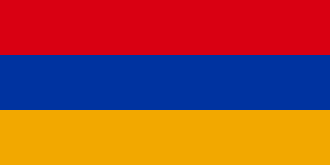
Culture of Armenia

The republic of Armenia is a small, rugged, mountainous country that gets its name from the historical Armenian plateau, which encompasses a complex network of mountain ranges, volcanic peaks, valleys, rivers and lakes.  The small, landlocked country of Armenia covers about 11,600 square miles in area and makes up about one tenth of the plateau region.  Its bordering countries include Azerbaijan, Azerbaijan-Naxcivan, the Republic of Georgia, Iran, and Turkey.  Due to its geographical location, Armenia tends to have hot summers and cold winters, is very susceptible to earthquakes and some droughts and is rich in mineral resources.  Despite its small size, Armenia is still densely populated.  Half of its nearly three million inhabitants live in the Ararat plain, which only makes up about ten percent of the full Armenian territory and contains the capital city of Yerevan.
TRAVEL

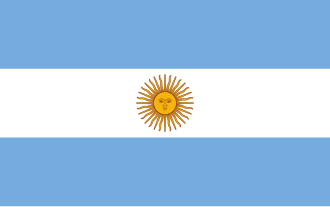
Culture of Argentina

Located in the southern most part of the continent of South America, the republic of Argentina borders Chile to the west, Bolivia to the north, Brazil, Uruguay, and the Atlantic Ocean to the East.  Extending across of 2,229 miles from north to south and encompassing a total area of 1.4 million square miles, Argentina is the eighth largest country in the world.  Due to its vast size, Argentina consists of many different climatic zones.  Most of the country consists of plains, with temperate climate, ideal for ranching.  These plains are a stark contrast to the tropical forests and wetlands to the northeast and to the semi-arid mountain ranges called the Sierras to the northwest.  The culture of Argentina is as diverse as the country’s geographical landscape, but modern Argentine culture is predominantly influenced by Spanish colonial rule and an influx of European immigrants during the nineteenth and twentieth centuries.

TRAVEL

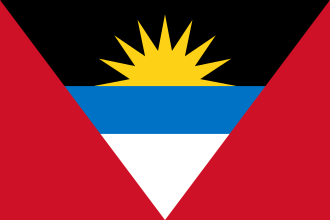
Culture of Antigua and Barbuda

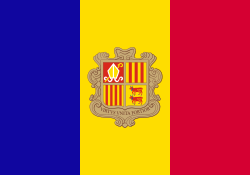
Located in the Caribbean, Antigua and Barbuda are two small islands that together form a twin microstate of 170 square miles.  This island nation also includes Redonda, an extremely small volcanic island formation that remains uninhabited.  Antigua is composed of volcanic and sedimentary rock and has a 90-mile jagged coastline with beautiful white sandy beaches.  Barbuda, on the other hand, is very flat in terrain.  The capital of this island nation, Saint John’s, is in the northwestern part of Antigua.

TRAVEL

Culture of Angola

Algeria is the largest country in the continent of Africa and the neighboring Arab region.  It is in the northern part of Africa, between Morocco and Tunisia, along the Mediterranean Sea.  Countries that share a border with Algeria include Tunisia and Libya to the east, Niger, Mali and Mauritania to the South and Morocco and Western Sahara to the West.

TRAVEL

Culture of Algeria

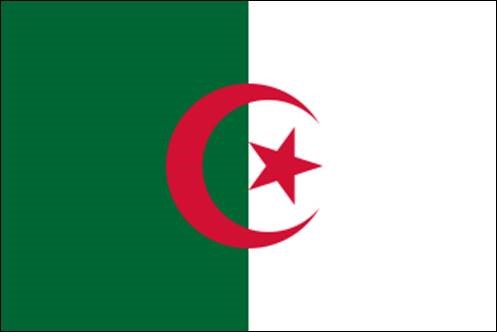
Algeria is the largest country in the continent of Africa and the neighboring Arab region.  It is in the northern part of Africa, between Morocco and Tunisia, along the Mediterranean Sea.  Countries that share a border with Algeria include Tunisia and Libya to the east, Niger, Mali and Mauritania to the South and Morocco and Western Sahara to the West.

TRAVEL

Culture of Albania

While Afghanistan has suffered a tremendous period of economic hardship and a humanitarian crisis resulting from multiple factors, including but not limited to political turmoil and persistent conflicts through the late 20th and 21st centuries, this is a more recent devastating chapter in a much longer peaceful history.  The culture of Afghanistan has persisted for centuries, and its location at the cross section of Central, South and Western Asia has made it a hub of diversity.  Afghanistan was once coined the “roundabout of the ancient world.”   

TRAVEL

Culture of Afghanistan

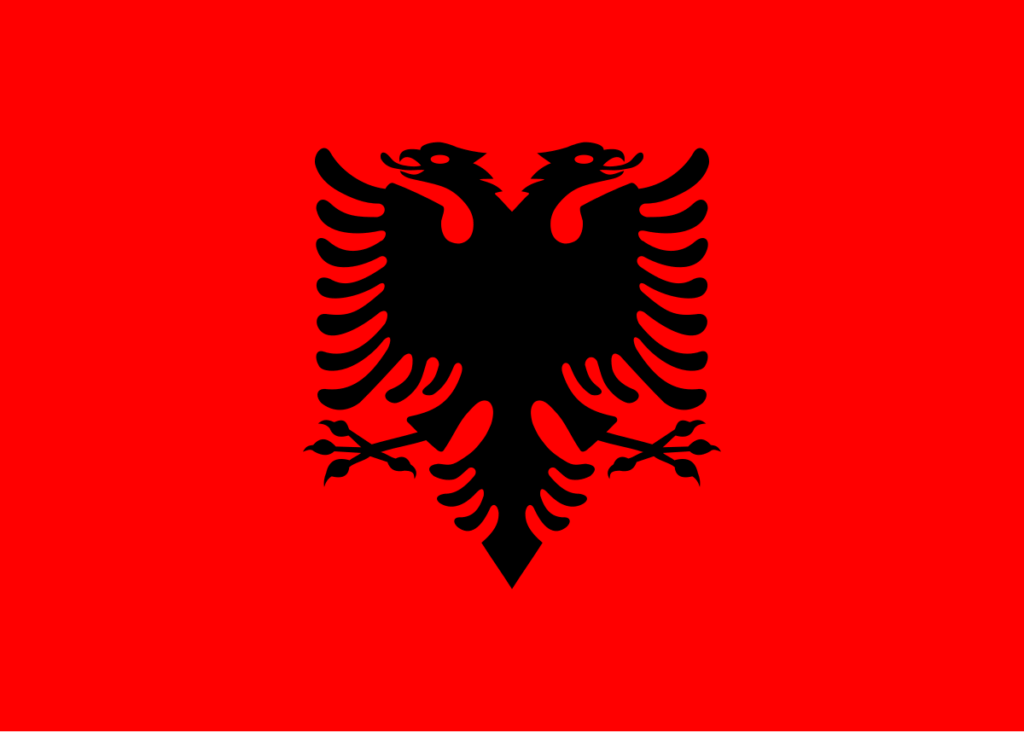
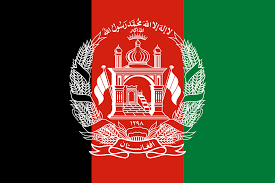
While Afghanistan has suffered a tremendous period of economic hardship and a humanitarian crisis resulting from multiple factors, including but not limited to political turmoil and persistent conflicts through the late 20th and 21st centuries, this is a more recent devastating chapter in a much longer peaceful history.  The culture of Afghanistan has persisted for centuries, and its location at the cross section of Central, South and Western Asia has made it a hub of diversity.  Afghanistan was once coined the “roundabout of the ancient world.”